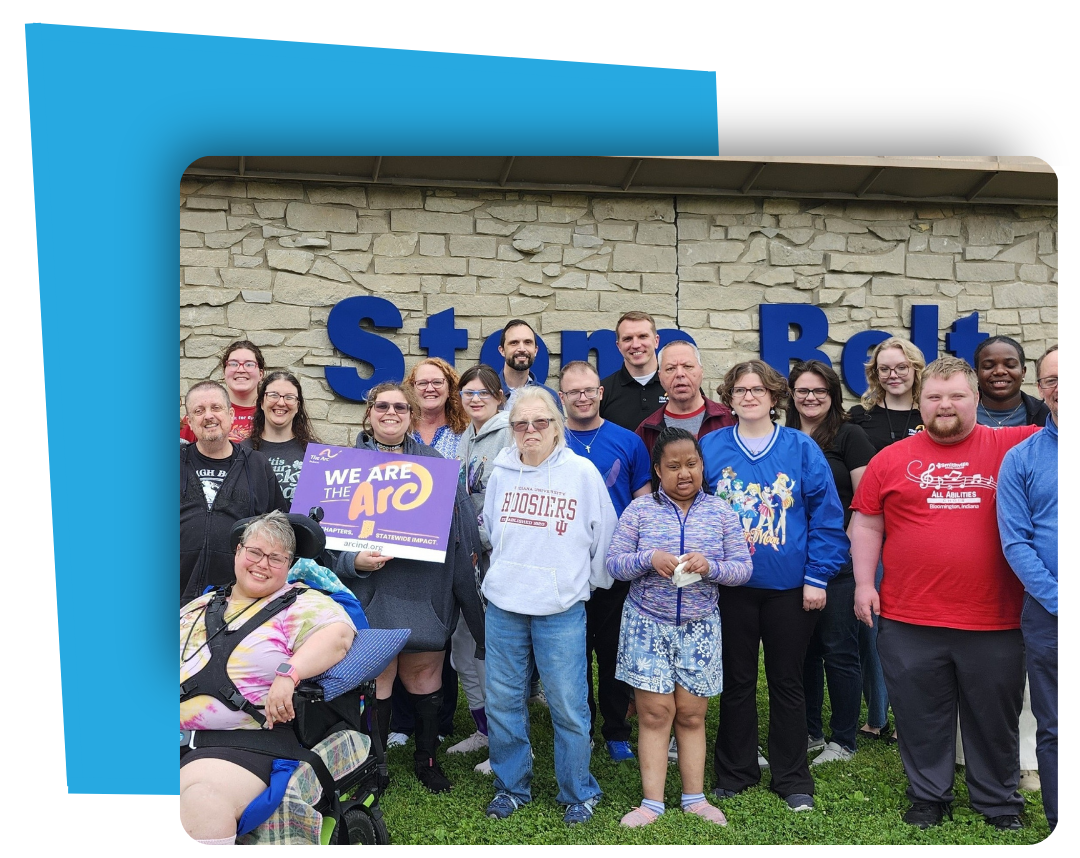
The Story of
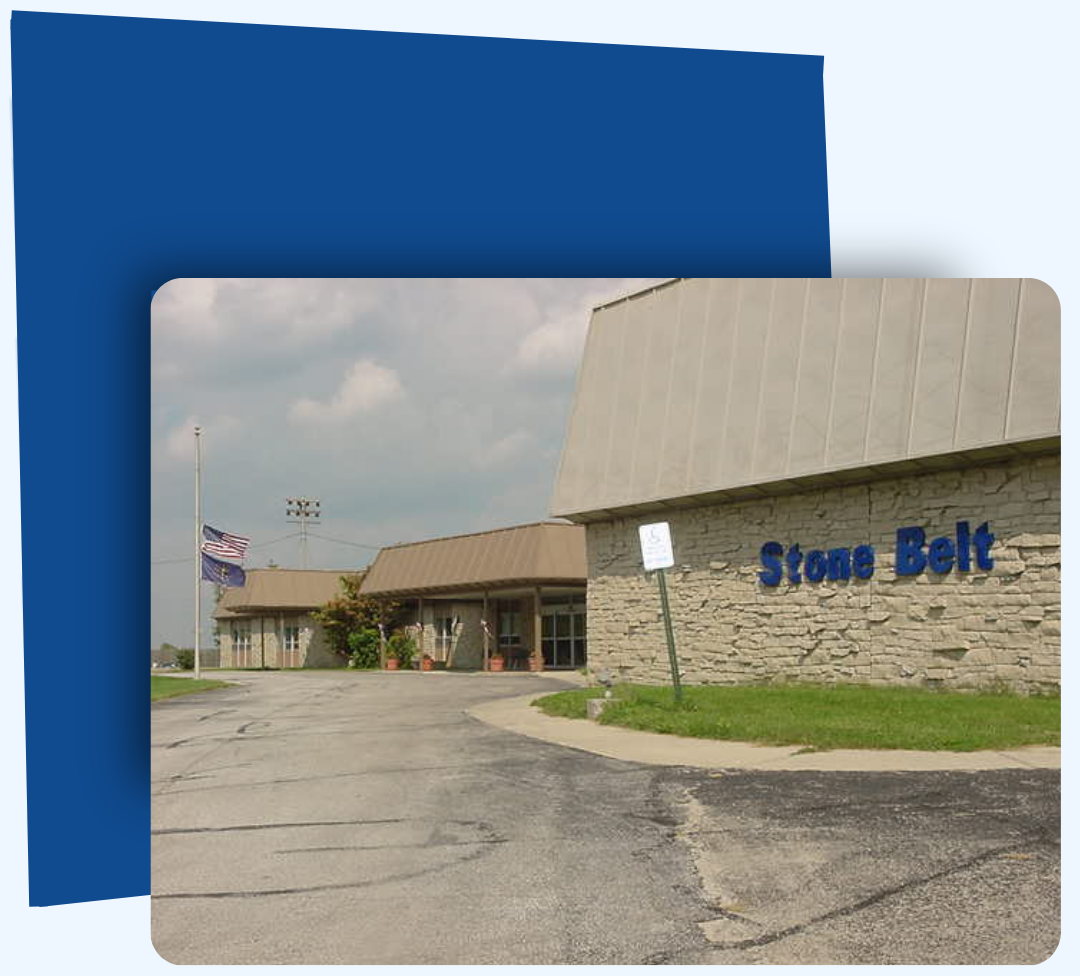
Stone Belt
With more than five decades of experience, Stone Belt’s history informs our present-day programming and priorities for the future.
Meeting The Moment
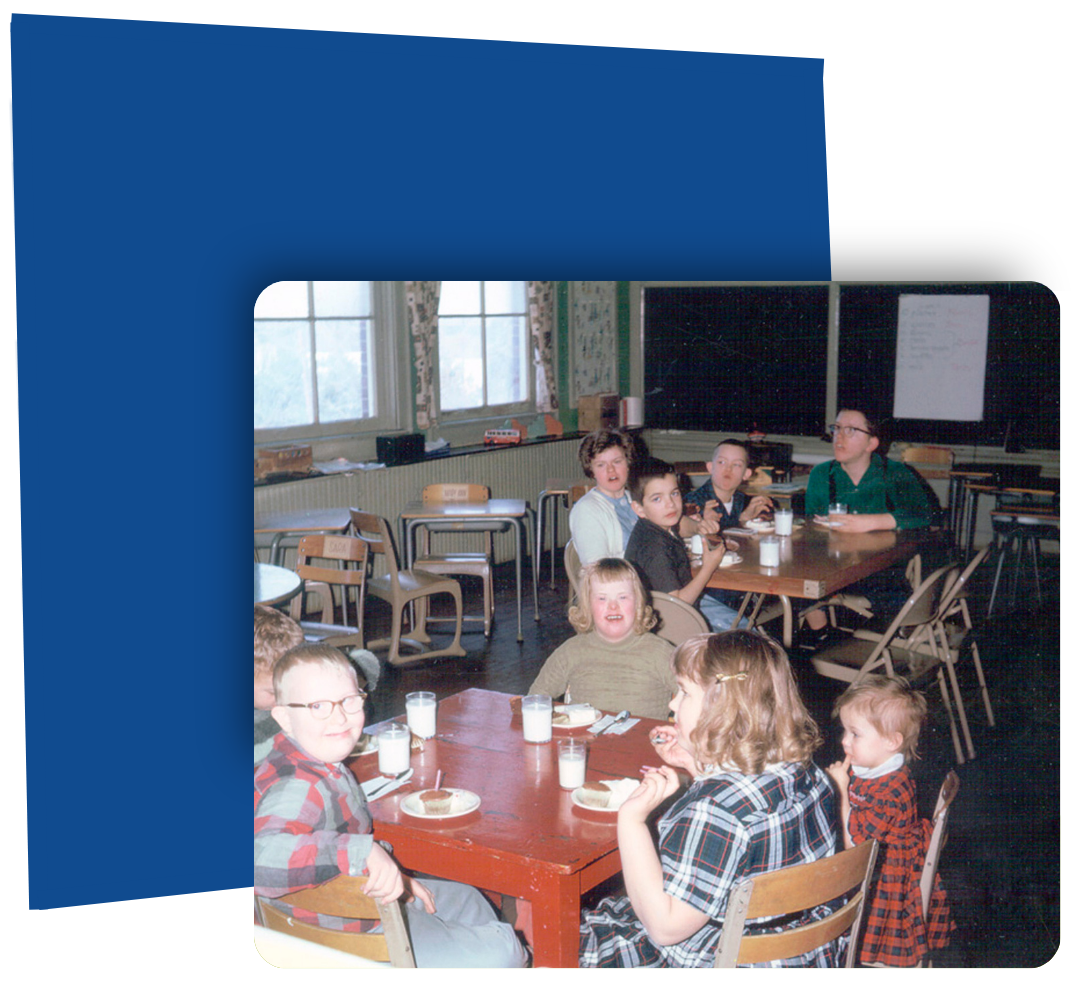
A spark of hope ignited when they learned Dr. Roscoe Smith and his wife, along with others, were working to create a school for their son, Bob, and other children with disabilities. The Abbitts joined and became leaders in the cause. Soon, they formed Stone Belt, and nine children had a place to learn and grow. On March 10, 1959, Stone Belt was established.
Through The Years
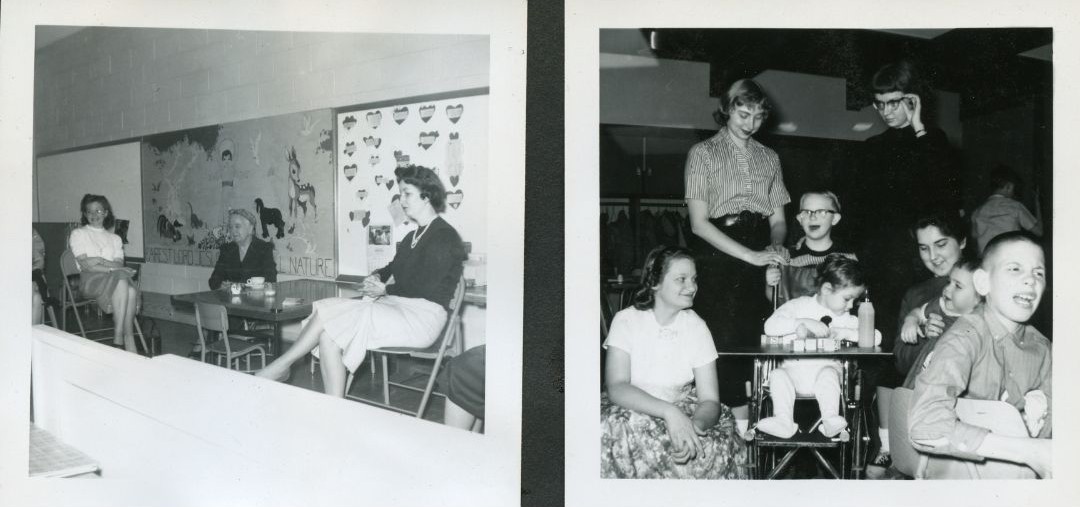
The program grew quickly, and in the early 60s, Indiana University authorized the use of the Headley School’s classrooms to the council, and as a school for children with disabilities. In 1960, The Stone Belt Council became a member of the United Fund (now the United Way), and an affiliate of the Indiana Association for Retarded Children (now The Arc of Indiana). In 1968, Joan Burton joined the Headley School as a teacher and member of the board of directors and was later named the organization’s first Executive Director.
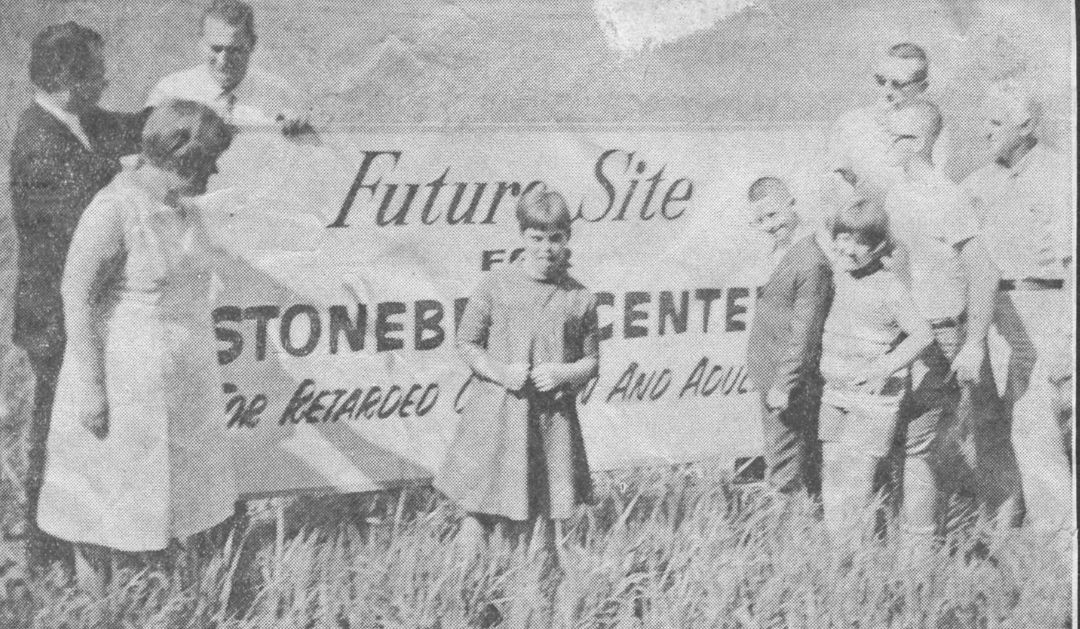
As a result of this monumental policy shift across the country, Stone Belt began transitioning from providing children’s services to adult day program services. In the early 70s, the first residential group homes were opened in small apartments within the Indiana Institute on Disability and Community (IIDC). In the late 70s, Stone Belt partnered with the Lawrence County Arc (LARC) and began offering services for individuals in Bedford.
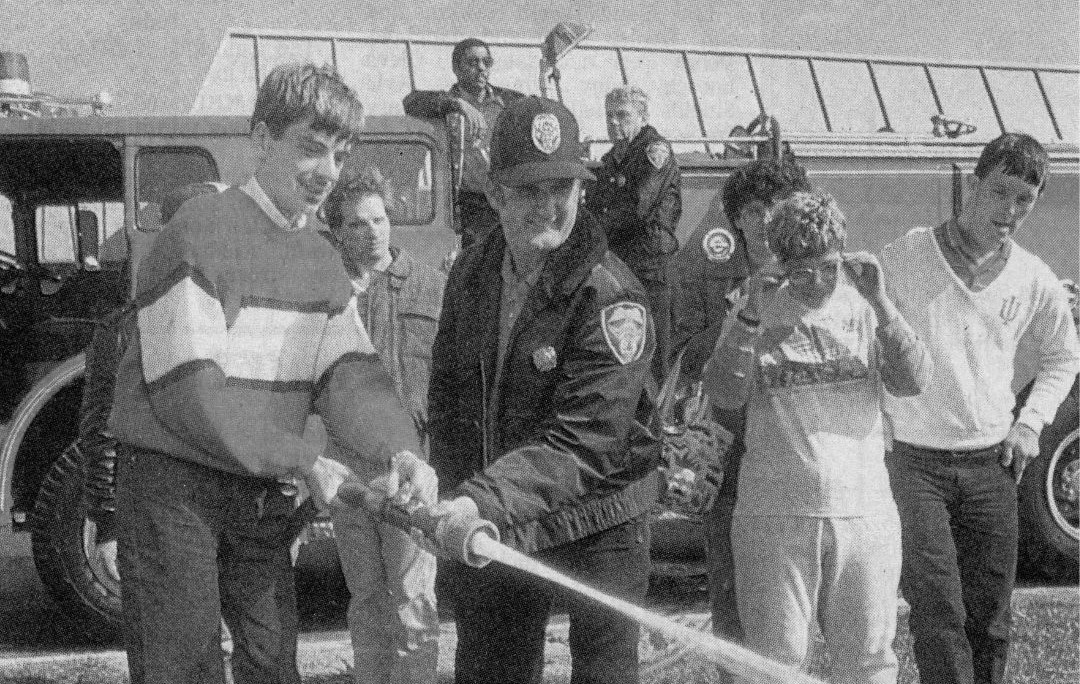
By 1985, Stone Belt entered the next phase of its service to the community as a residential, employment, and day services provider for adults with developmental disabilities. Stone Belt continued to serve children with disabilities in its newly created Infant & Child Developmental Services program and worked to refocus its support efforts towards early intervention. In the late 80s, the Sweet Owen Industries facility was opened to serve individuals in Owen County. Pioneer Joan Burton retired in 1985, and Stone Belt’s second executive director, Elbert Johns, began his tenure.
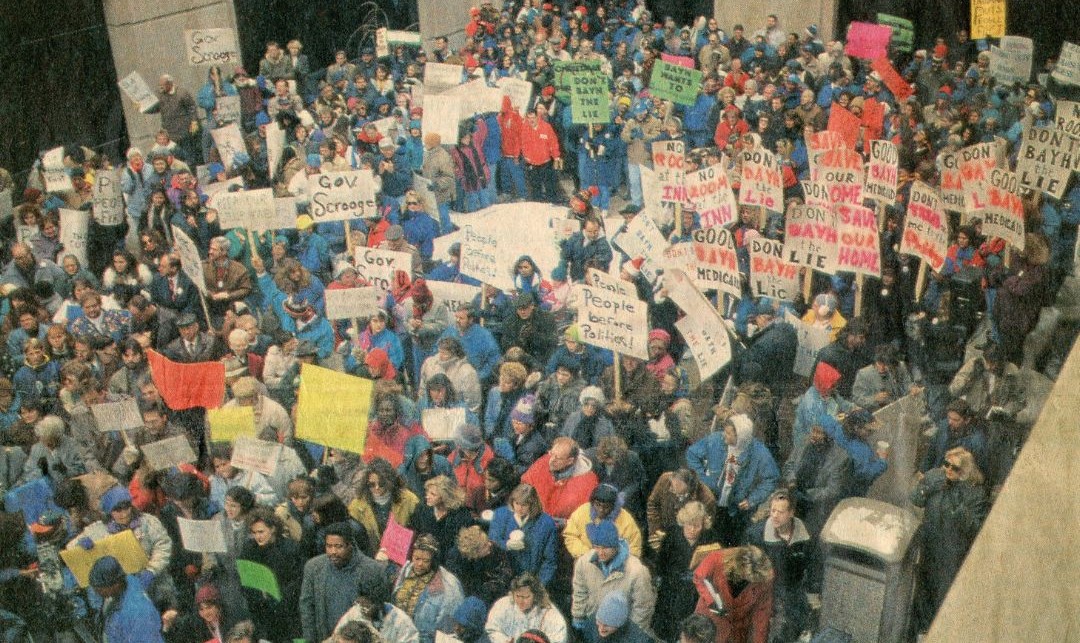
Stone Belt opened six more group homes and began its Supported Living program, through which clients choose to live in their own apartments. The community also banded together to fight steep cuts to Medicaid, which would affect group homes.
During this time, Stone Belt also expanded Manufacturing Services to Bedford, allowing individuals with disabilities to participate in piece-work through light manufacturing services. At the same time, community employers began hiring more individuals with developmental disabilities.
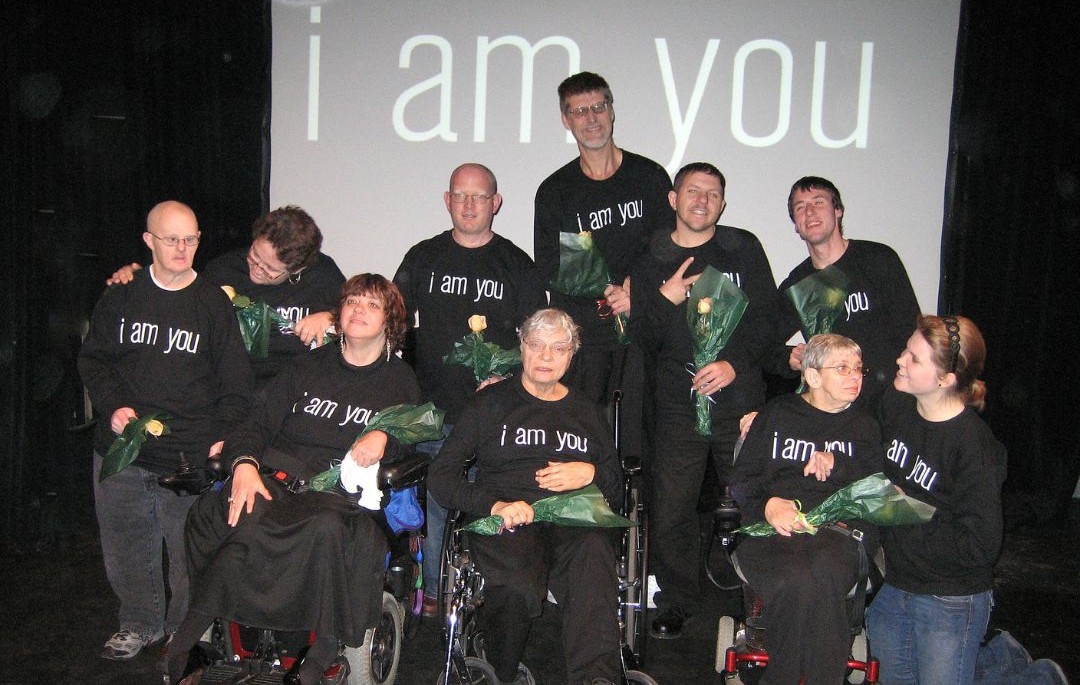
Leslie Green began her role as CEO during this time as well, and as Stone Belt’s 3rd CEO, spearheaded new initiatives including Hand in Hand, I Am You, and Project SEARCH.
Stone Belt began offering Community Employment, Supported Living, and Employment Fundamental services in Bartholomew County, expanding services to people throughout South-Central Indiana. At the state level, Indiana formally recognized March as Disability Awareness Month.
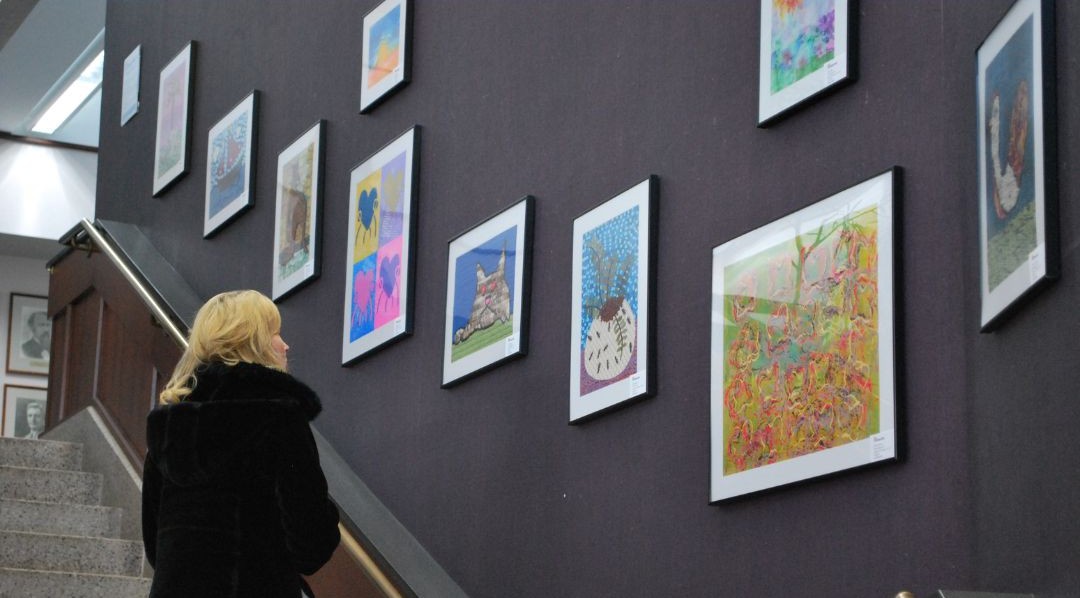
Stone Belt’s Arts Program grew significantly, with public, large-scale art installations by Stone Belt clients being installed throughout Bloomington.
In 2016, Stone Belt began providing Pre-Employment Transition Services for high school students with disabilities, partnering with over 25 schools and multiple community agencies.
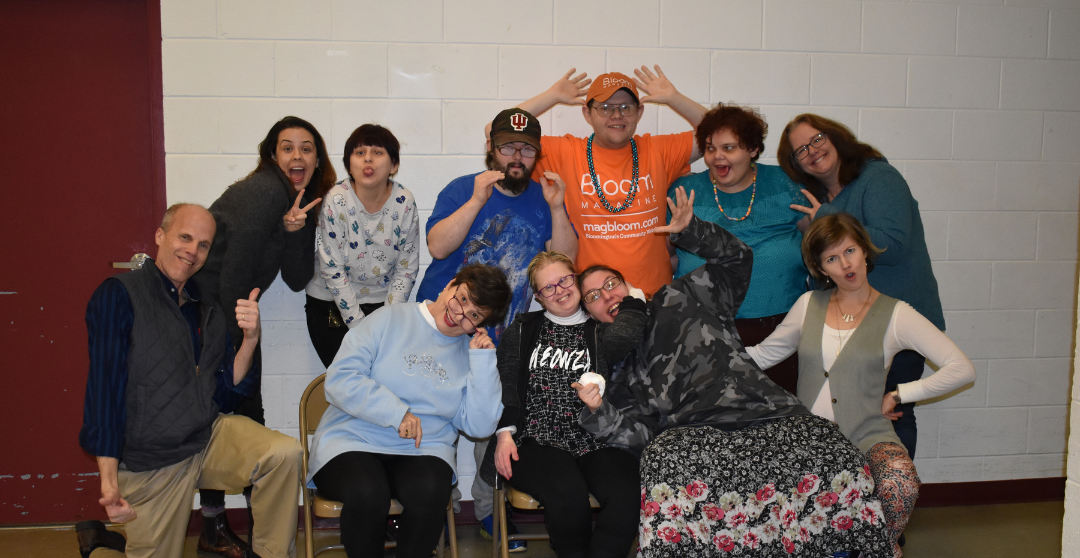
In 2020, the term “essential” became a powerful one amid a worldwide pandemic that determined who worked, who stayed home, who kept their job, who lost their benefits, and on and on. Stone Belt met the moment by hosting vaccine clinics, pivoting to offering online programs, and ensuring the health and well-being of clients and staff alike.
In the early 2020’s, Stone Belt also welcomed its 4th CEO, Bitta DeWees, whose focus has remained on community inclusion for clients. As we look to the future, we are confident that the hard-fought rights and acceptance of people with disabilities will persevere through community partnership and a dedication to inclusion, accessibility, and empowerment for all.

Our Principles of Service
What do you think? What do you want to do? What are your goals in life?
For most of history, these questions were seldom asked of people with disabilities, but Stone Belt believes the right to self-determination is essential for every person. Therefore, the foundation of Stone Belt services is to empower everyone we support to live the lives they want for themselves.
What if you’d never been taught to take care of yourself, to read, or to do one of your favorite activities?
You would likely depend on someone else to help you or to do things for you. Without question, your sense of personal power is enhanced through learning. That’s why learning is one of Stone Belt’s core principles. All of Stone Belt services emphasize learning and skill acquisition in areas that are suitable to each person’s interests, age, and cultural background. We emphasize activities that provide for growth and opportunity and are purposeful to the creation of a fulfilling life.
What skills and strengths do you bring to your community? How do they shape your self-perception?
At Stone Belt, we support people to find and use their unique gifts and talents to contribute to others. Stereotypes of people with disabilities as “takers” are shattered by the countless ways that individuals with disabilities give back to their communities. Volunteer jobs are filled; beautiful art work graces the community and people’s homes; businesses have their workforce needs met; and people have friends and neighbors who make their society richer. Gone are the days when people with disabilities were pushed into the margins of society. Their contributions strengthen and enrich the community.
What support do you receive from friends, family members, coworkers, or community organizations?
We all face challenges throughout our lives – and we all deserve support to work through them. At Stone Belt, we believe that when people exhibit challenging behaviors, they should have access to supports that are individually designed, positive, aid in learning new skills, provide alternatives, offer opportunities for choice and social integration, and allow for environmental modifications.
How do you choose to spend your personal time? How do you make your living space your own?
People should be empowered to live in accessible and affordable community housing of their own choosing. Stone Belt provides flexible services that follow people to their chosen homes, including supported-living arrangements, group homes or family homes. Supports provided by Stone Belt within those settings are arranged around the individuals’ needs and desires.
What’s your name and what do you do?
It’s no mystery why these are some of the first questions we often ask new people. Employment is a fundamental part of adult life. It is a huge part of our identity and how we see ourselves. Like any community member, getting a job changes how an individual with a disability views themself, and how they are viewed by others. We work to make employment accessible and inclusive for all, so that everyone can feel and be seen as capable and contributing.
What do you value the most in your life? What gives your life the most meaning?
A great deal of each of our emotional fulfillment comes from relationships with family, friends, and coworkers. People with disabilities often have a disproportionate number of their close relationships with people who are paid to support them. While we acknowledge the importance of these relationships, we are committed to supporting clients to develop and maintain fulfilling, independent relationships that range from acquaintances to life partners.